
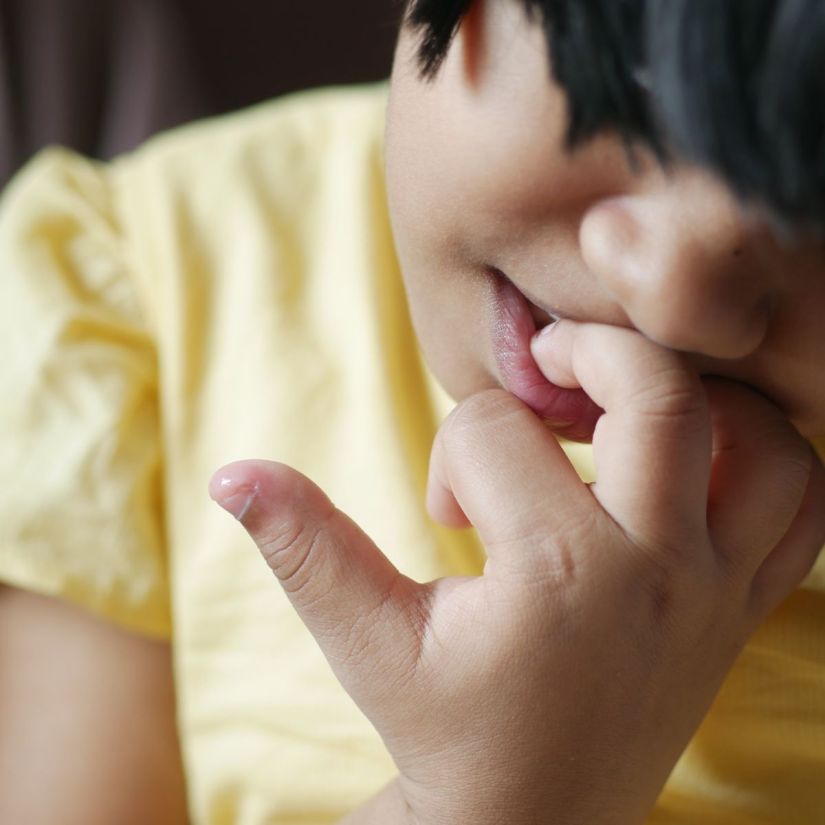
Anxiety is a natural part of life and can affect people of all ages, including children. While it is normal for children to experience anxiety occasionally, it can become a concern when it interferes with their daily life. In this blog, we will explore some ways children express anxiety and ways that you, as a caregiver or parent, can help.
Signs of Anxiety in Children
Children may express anxiety differently than adults; sometimes, they can express their concerns verbally, but often they cannot. Some common signs of anxiety can include the following.
- Behavioral changes: When a child feels anxious or worried, they may become easily frustrated or irritable
- Avoidance Behaviors: Children may avoid situations that make them anxious, like school or other events.
- Excessive Worry: Children may worry excessively about things that are typically not a worry for a child their age.
- Physical Symptoms: Some children may experience stomachaches, headaches, dizziness, or clinginess when feeling anxious.
- Sleep Issues: Your child may begin to sleep excessively or have difficulty falling asleep. They can also exhibit behaviors like renewed bedwetting, nightmares, or waking up frequently when anxious.
As a parent or caregiver, it is important to model healthy behaviors to prevent anxiety in the child. Children observe and learn by watching. They will imitate when their parent or caregiver models healthy behaviors, manages their stress, takes care of their physical well-being, and sets realistic goals and expectations for themselves.
How to Support Children with Anxiety
Suppose you suspect your child is experiencing anxiety. In that case, there are several things that you can do to ease their anxiety and support them—analyzing your environment for things that could make your child anxious, along with the following tips.
- Provide Structure: Establishing a predictable routine can help reduce anxiety in your child by providing a sense of predictability and stability.
- Encourage Communication and Validate their feelings: Provide an open and supportive environment where your child can express their feelings without fear of judgment. Let your child know that it is okay to feel anxious and that you understand how they feel and are there to support them.
- Teach Relaxation Techniques: Practice deep breathing, visualization, or other techniques to reduce anxiety. A helpful book is “Brave Kids, Strong Hearts.” It teaches kids anxiety-reducing techniques with stories of children conquering their anxiety.
- Seek Professional Help: If the child’s anxiety interferes with their daily life, consider seeking professional help from a trained counselor or therapist.
Remember that anxiety is a common experience in children, but it’s essential to support your child with managing their anxiety. As a parent or caregiver, provide open communication, teach relaxation techniques and lead by example.
© 2023 Susan Sears
If your child is learning to navigate worries or anxious feelings, I also wrote a children’s book called Brave Kids, Strong Hearts. It introduces simple calming strategies through story, helping children feel less alone as they learn ways to manage anxiety.
It’s available here if you feel it might be a helpful companion for your child.
 SPS Books & Journals