
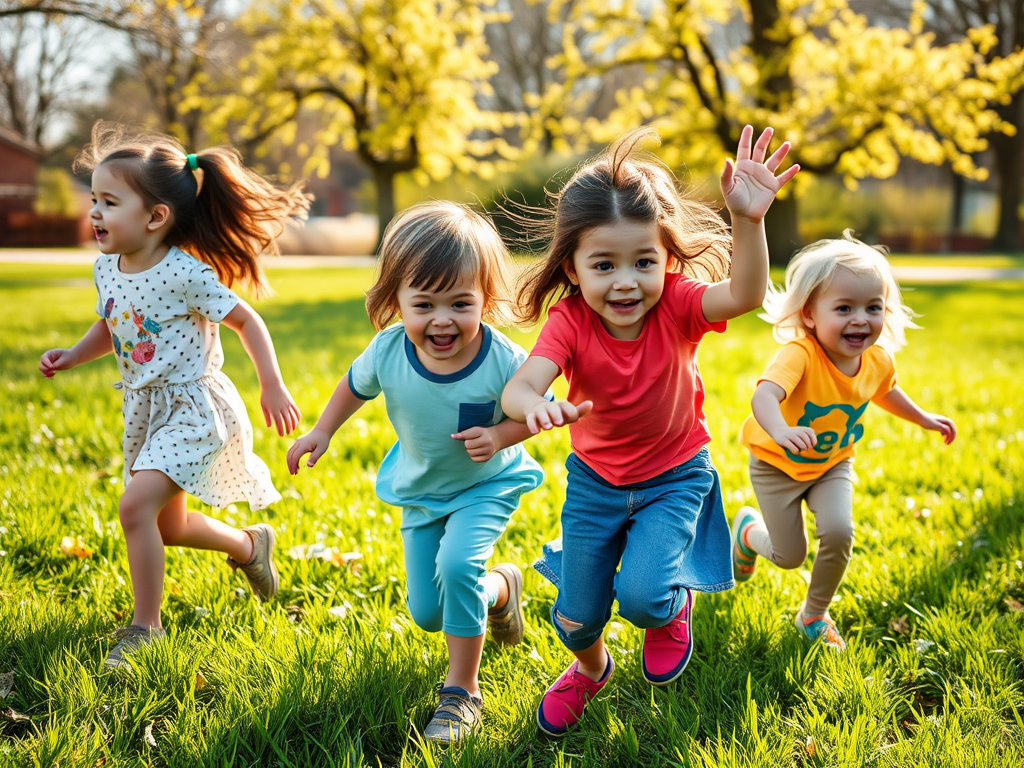
A Seasonal Reset for Growing Bodies
By the end of March, something begins to shift.
The air softens. The snow recedes. The sun lingers a little longer in the evening sky. And almost instinctively, children begin drifting back outside.
It isn’t just play.
It’s a reset. Something our bodies crave, something we all need.
After months of winter routines, heavier coats, and more time indoors, spring offers something deeper than fresh air. It offers movement. Space. Possibility.As a parent, grandparent — and as a nurse — I’ve seen how powerful that shift can be.
Movement Reawakens the Developing Brain
Children are designed to move. When winter limits outdoor play, physical activity often drops, and with it, important neurological stimulation.
Research shows that movement increases blood flow to the brain, supports memory formation, and improves attention. Running, climbing, and biking activate multiple sensory systems at once, helping children integrate balance, coordination, and focus.
When kids return outside in spring, their brains begin working differently again — more alert, more flexible, more ready to learn.
This isn’t accidental. It’s biological.
Sunlight Restores Sleep and Emotional Balance
During the darker winter months, many children experience subtle disruptions in their circadian rhythms. Less sunlight can interfere with melatonin production, affecting sleep quality and emotional regulation.
Spring sunlight helps reset the internal clock.
More time outdoors during daylight hours supports:
- Better nighttime sleep
- Improved mood
- Reduced irritability
- Increased daytime energy
Parents often notice it first at bedtime: easier routines, fewer struggles, deeper rest.
That’s physiology at work.
Nature Reduces Stress in the Nervous System
Modern childhood carries more stimulation than ever — screens, schedules, expectations, noise.
Nature provides something different: regulation.
Studies consistently show that time outdoors lowers cortisol (the body’s primary stress hormone) and activates the parasympathetic nervous system — the system responsible for calm, digestion, and emotional safety.
When children dig in dirt, watch clouds, or explore trails, their bodies are shifting out of “alert mode” and into “rest and restore.”
That’s why outdoor play often leads to fewer meltdowns and more emotional resilience.
Unstructured Play Builds Executive Function
Executive function includes skills like problem-solving, impulse control, planning, and emotional regulation. These abilities develop through experience — not lectures.
Unstructured outdoor play is one of the most powerful training grounds.
When children invent games, negotiate rules, build forts, or adapt to changing situations, they are strengthening these higher-level brain systems. They are practicing life. Without realizing it.
Social Connection Happens More Naturally Outside
Many parents notice that difficult conversations become easier during walks, bike rides, or backyard play.
There is science behind that, too.
Movement reduces defensive responses in the brain and increases oxytocin — the hormone associated with trust and connection.
Side-by-side activity feels safer than face-to-face pressure. Outdoors, children open up!
A Gentle Faith Reflection
As I have watched children run back into spring throughout the years, I’m reminded that this design is intentional.
God created bodies meant to move.
Minds meant to explore.
Hearts meant to rest in creation.
Nature is not separate from learning.
It is part of it.
Every scraped knee, muddy shoe, and sun-flushed cheek tells a story of growth.
Practical Ways to Invite More Outdoor Time
You don’t need elaborate plans.
Small choices make a difference and count:
- After-dinner walks
- Chalk on the driveway
- Backyard reading blankets
- Nature scavenger hunts
- Screen-free afternoons
Consistency matters more than perfection.
A Closing Invitation
Spring will pass quickly. So will this version of your child.
The opportunity to reset, reconnect, and restore is now! Ten minutes outside together today becomes emotional security and growth tomorrow.
I’m glad you’re here. We’re walking this season together.
 SPS Books & Journals