
Every family has a story worth remembering. Some stories are shared around the dinner table, others are passed down through generations, and some remain tucked away in old photographs, treasured memories, and the lives of those who came before us.
For me, one of those stories begins with my grandmother and her journey from Poland to America.
Her story became the inspiration for my historical novella, The Girl Who Carried Home with Her. What began with a connection to my own family history grew into a journey of research, reflection, and a desire to preserve the courage of those who left home behind in search of a new life, or a new home.
Writing this book gave me an opportunity to look more closely at my grandmother, her past and consider what it meant to leave home, build a life somewhere new, and carry the memories of one place into another.
As time moves forward, the stories of those who came before us remain part of who we are. Their experiences become threads in the fabric of our family histories, connecting one generation to the next.
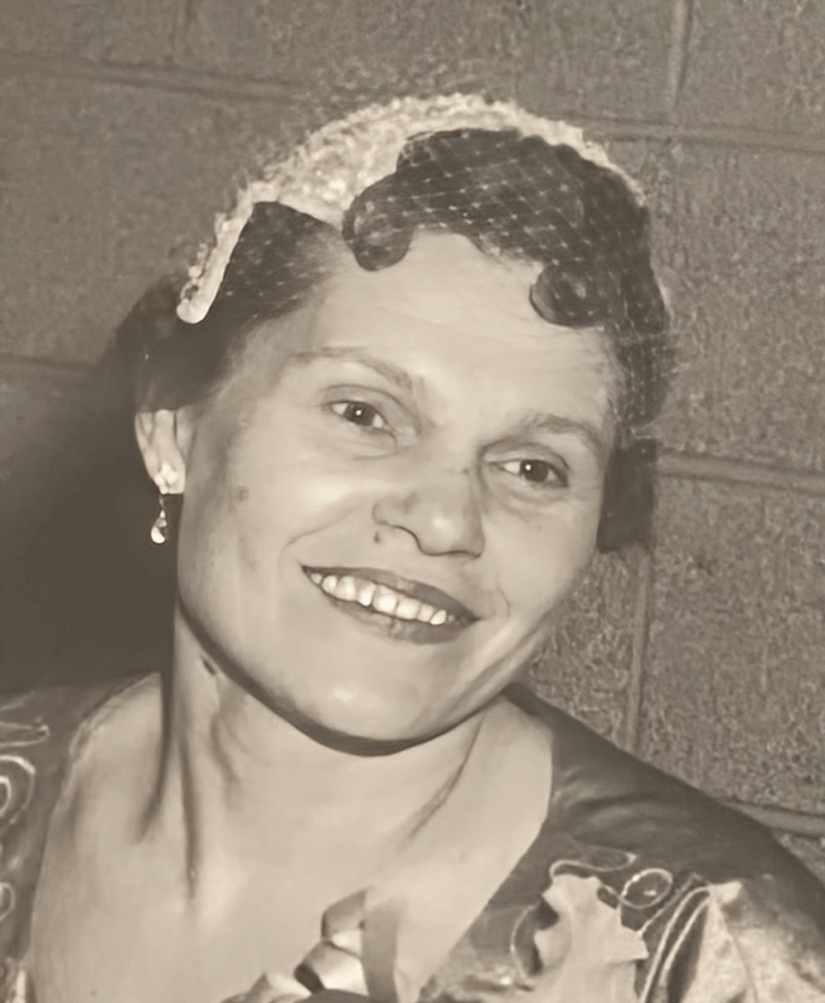
Grandma at my Dad’s Wedding
Every Family Has a Story – A Labor of Love
The Girl Who Carried Home with Her began long before I ever imagined writing a historical novella.
Years ago, while completing school assignments about women who had influenced my life, I found myself writing about my grandmother. I remembered the stories, the little details of her life, and the things that made her special to me.
One of those memories involved sugar cubes.
They really did sit on a shelf in her kitchen window. Such a small, ordinary thing, but one that stayed with me over the years. The sugar cubes became part of the story I wrote for school and eventually found their way into my book.
As I began exploring more of my grandmother’s history, I realized there was so much more to her life than the grandmother I had known. Before she became a wife, mother, and grandmother in America, she had been a young girl growing up in Poland during a time of war and uncertainty.
I began to wonder what she had experienced, what she had left behind, and how those early years had shaped the woman I remembered.
What started as a few family memories slowly became a labor of love—a way to honor my grandmother, preserve pieces of our family history, and imagine the experiences that helped shape her life.
Understanding the Stories She Told
Growing up, we heard snippets of my grandmother’s childhood in Poland. She would tell us about bullets striking garbage cans and how God had protected her. She remembered the nuns at school telling the children to hurry home and the frightening experience of stepping over a dead man.
But these stories were always told carefully, in ways that children could understand.
At the time, I don’t think I fully grasped what she was telling us. They were stories from my grandmother’s childhood, experiences from a place and time that seemed so far removed from my own life.
It wasn’t until I began researching the history of the area where she grew up that I understood the magnitude of those memories.
Suddenly, those childhood stories took on a different meaning. The bullets, the hurried trips home from school, and the dangers she had witnessed were no longer just isolated memories. They were glimpses into what it meant to be a young girl living through war.
I began to see my grandmother differently. I had known her as the woman who shared stories with her grandchildren, but I was beginning to understand the frightened little girl she had once been.
The more I researched, the more I wanted to know. And although I could never recover every detail of her experiences, I wanted to give those memories a place in a larger story.
That became part of the inspiration for The Girl Who Carried Home with Her.
Turning Family History into a Story
What began years ago as a school assignment about a woman who had influenced my life eventually grew into something much larger.
My grandmother’s stories had stayed with me. The sugar cubes in her kitchen window, the memories of her childhood in Poland, and the little glimpses she shared of a world I had never known were all pieces of a story I wanted to understand.
As I began researching the history of her homeland, I discovered just how much had happened in the years before she came to America. I learned about the war, the hardships families endured, and the uncertainty that surrounded everyday life.
The more I learned, the more I thought about my grandmother. I wondered what she had felt as a young girl, what she had witnessed, and how those experiences shaped the woman I knew.
Of course, there were many things I could never know. Some memories had been passed down through our family, while others were lost to time. Historical records helped me understand the world she lived in, but they couldn’t tell me every conversation she had or every thought that crossed her mind.
That is where historical fiction allowed me to bring the pieces together.
I could weave the stories she had shared with the historical events I researched, using imagination to fill in the spaces where family memories and records could no longer provide answers.
I wanted to remain faithful to the heart of her experiences while creating a story that readers could connect with.
Writing The Girl Who Carried Home with Her became a labor of love. It was a way to honor my grandmother, preserve the memories she had entrusted to us, and share a small part of the courage and resilience of those who came before us.
What began as a few childhood memories became a story I hope will continue to be remembered for generations.
Why These Stories Matter
Every family has stories worth remembering. Some are extraordinary, while others seem like simple moments in everyday life. Yet even the smallest memories can carry meaning long after the people who shared them are gone.
When I was young, I didn’t fully understand the significance of my grandmother’s stories. I listened to them as a granddaughter, never imagining that one day I would look back and realize how much history was woven into her memories.
I think about how easily those stories could have been lost. Had she not shared them, even in the gentle, child-friendly way she chose, I might never have known about the little girl who lived through war before eventually making her home in America.
Our parents, grandparents, and great-grandparents lived through experiences that helped shape the lives we have today. Their stories remind us of the hardships they faced, the sacrifices they made, and the courage it sometimes took simply to keep moving forward.
Not every family story involves war or immigration. Sometimes it’s a favorite recipe, a family tradition, an old photograph, or an ordinary object sitting on a kitchen shelf. Those little things can open the door to memories we might otherwise forget.
For me, it was a few sugar cubes in my grandmother’s kitchen window.
I hope that sharing her story encourages others to ask questions, listen to the older generations in their families, and preserve the memories they can. Write them down. Save the photographs. Ask about the people in them. Record the stories while there is still someone to tell them.
Because one day, those memories may become some of the most treasured pieces of our family history.
Keeping Her Story Alive
I wish I could sit with her one more time, listen to her stories, and ask all the questions I never thought to ask when I was younger. There is so much I would love to know. But I am grateful for the stories she did share, the memories that stayed with me, and the opportunity to bring some of those experiences to life through my writing.
Although my novella blends family history with historical research and imagination, its heart belongs to my grandmother and the generations who came before us.
I hope readers find more than a story about a young girl leaving Poland for America. I hope they see the courage it takes to face an uncertain future, the strength found in family, and the ways we carry pieces of home with us wherever life leads.
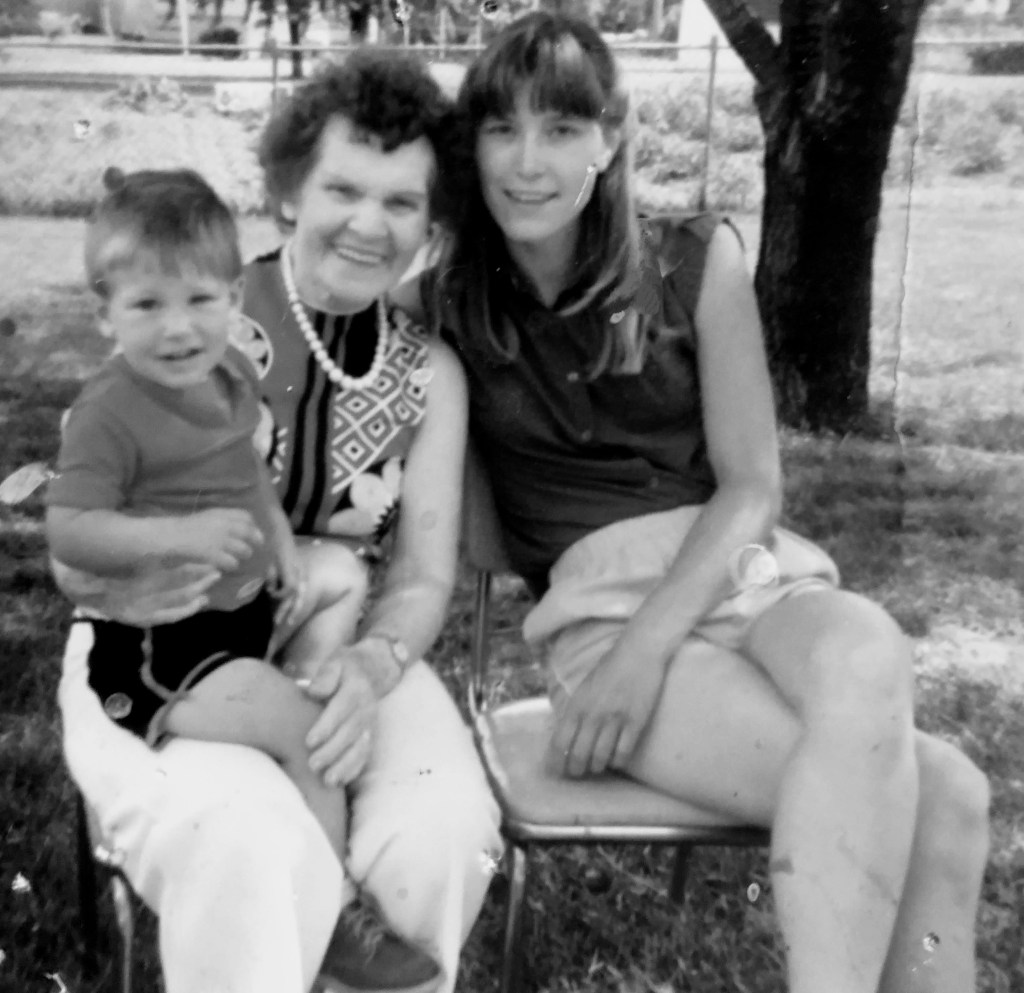
Grandma, myself the author and her great grandson
A Final Thought
When I think about my grandmother today, I realize how fortunate I was to hear even the small pieces of her story. At the time, I didn’t understand the history behind her words or the courage it took to live through those years.
I wish I had asked more questions. I wish I had listened a little longer.
But perhaps that is part of why I wrote this book. I wanted to hold on to what I could, give life to the memories she shared, and make sure her story wasn’t forgotten.
We all carry pieces of the people who came before us. Sometimes in photographs, sometimes in traditions, and sometimes in something as simple as a few sugar cubes sitting in a kitchen window.
Every family has a story worth remembering. This was my way of remembering hers.
Susan Sears
Author of The Girl Who Carried Home with Her

